
Tasting Technique & Sensory Skills · 7 min read
How to Actually Taste Wine: The Science Behind Each Step
Swirl and sniff are not just ritual. Here is the actual science behind each step of tasting wine, and why most of what you taste is really smell.

Intro
Swirl, sniff, sip — most wine-tasting guides hand you the ritual and stop there. Nobody explains why any of it actually works.
Almost everything you call the "taste" of wine is actually smell, not taste — your tongue is only built to detect five things, and the rest is happening in your nose. Once that clicks, the ritual stops being performance and starts being a tool you can actually use on purpose. Here's what's actually happening at each step, why the science behind it matters, and how to use it.
Why It Matters
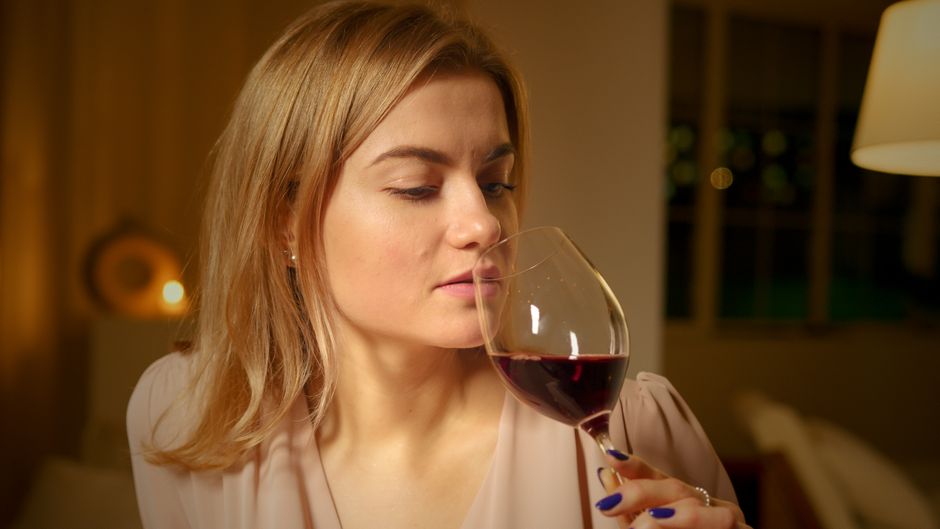
Say a wine "tastes like cherry" and what's really happening has almost nothing to do with your tongue. Your tongue can only physically detect five basic tastes: sweet, sour, salty, bitter, and umami.
Cherry, oak, butter, leather — none of that is taste. It's smell, arriving through the back of your mouth as you swallow, in a process scientists call retronasal olfaction. Estimates put smell's share of what we call "flavor" at somewhere around 80-90%.
That's not a trivia footnote — it's the entire reason the tasting ritual exists. Swirling, sniffing, and swishing all exist to route more aroma toward that internal smell pathway, not to please your tongue.
This also explains something that trips up a lot of people: why a head cold ruins wine (and food) so completely. A blocked nose doesn't touch your five basic tastes at all — sweet still registers as sweet, bitter as bitter. What disappears is retronasal olfaction, which is why congested food tastes like almost nothing even though your tongue is working exactly as well as usual.
The Part Almost No Guide Explains
Here's the detail that flips the usual "5 S's" advice on its head: smell actually works two separate ways during a tasting, and most guides only describe one of them.
The first is orthonasal — smelling through your nostrils, which is what happens when you stick your nose in the glass before drinking. The second is retronasal — aroma reaching your nasal cavity from inside your mouth, through the passage at the back of your throat, as you swallow or exhale.
This is also why pinching your nose while tasting doesn't fully block flavor the way people assume. Retronasal olfaction still gets some aroma through as you exhale, which is part of why the trick works less cleanly than the common wisdom suggests.
Swirling the glass before you smell isn't ceremony — it's aerating the wine to release more aroma compounds for your orthonasal sense to catch, before you even take a sip.
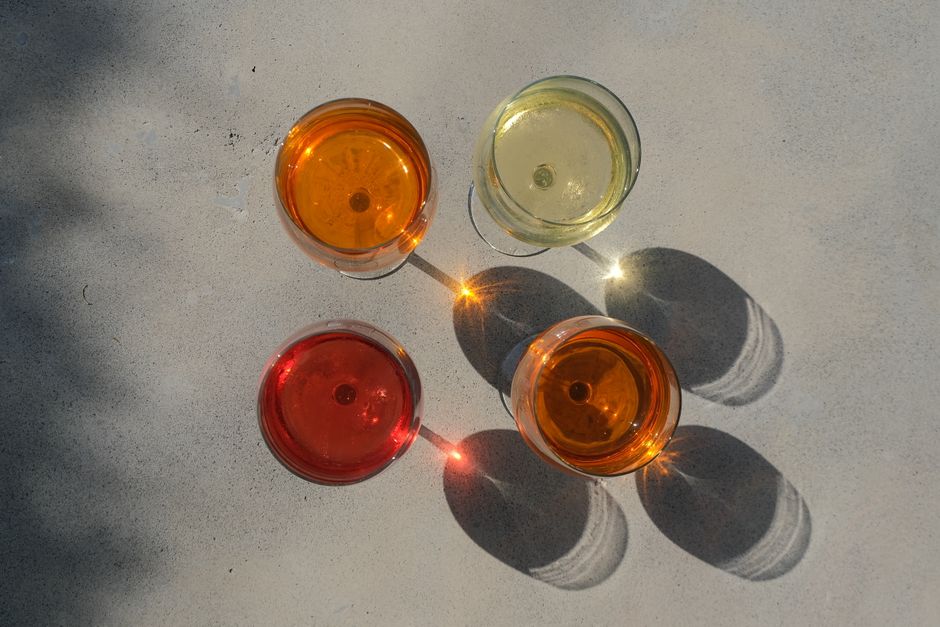
Color plays a bigger role in this than most people would guess, and not in a way that flatters our objectivity. In a well-known 2001 study out of the University of Bordeaux, researchers dyed a white wine red with an odorless, flavorless food coloring and asked experienced tasters to describe it. The tasters described the dyed white wine using red-wine language — "jammy," "crushed red fruit" — without noticing it wasn't actually red wine at all. The visual "Look" step isn't just a warm-up; it's actively shaping what your brain expects to taste before the wine even reaches your mouth.
The Steps, and What Each One Is Actually Doing
Look. Tilt the glass against a white background. Color and clarity are a genuine preview: a paler, more translucent wine tends toward lighter body, while deep, opaque color often signals more tannin and weight to come. Knowing color biases your expectations is itself useful — it's worth naming what you see, then checking honestly whether your later impressions match it or are just following the visual cue.
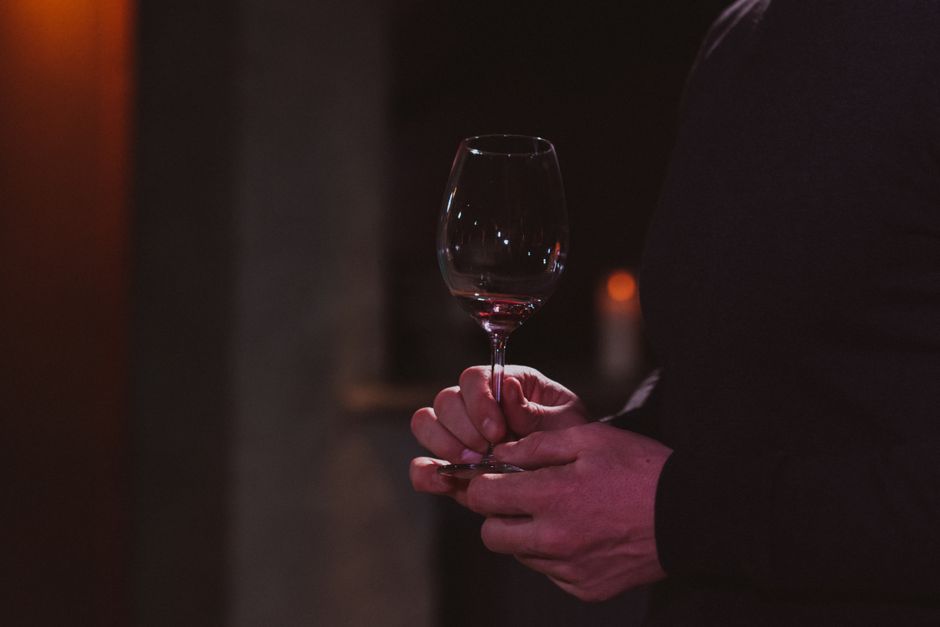
Swirl. Hold the glass by the stem and circle it gently. This isn't showing off — it's agitating the wine's surface to release aroma molecules into the air above the glass, maximizing what your orthonasal sense has to work with.
Smell. Put your nose into the glass and inhale before you drink anything. Whatever you notice here is worth naming specifically — "fruity" is a start, but "cherry" or "green apple" trains your palate faster than a vague impression does.
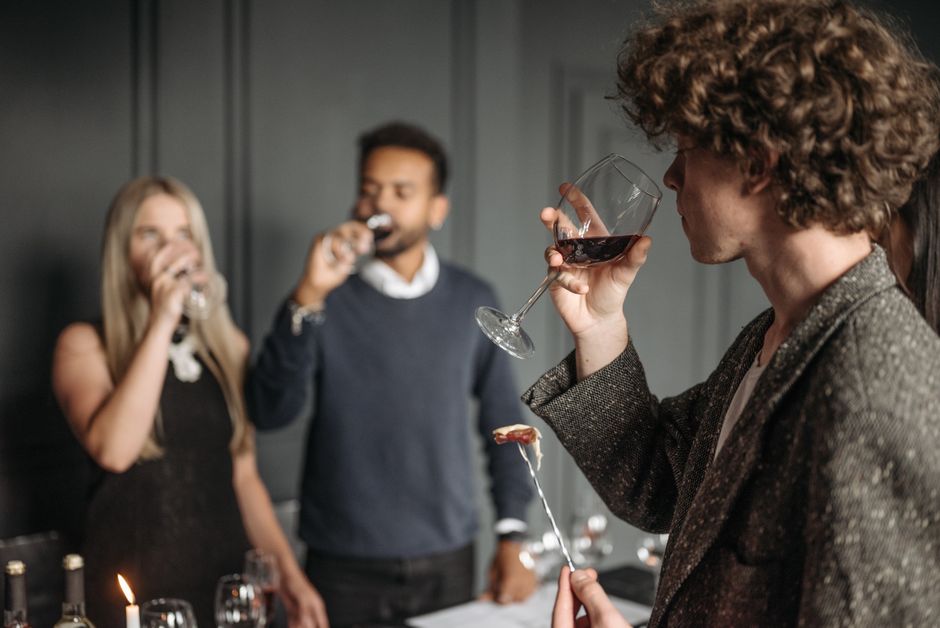
Sip and swish. Take a modest sip and move it around your whole mouth, not just the front. This spreads the wine across every part of your tongue and lets retronasal olfaction do its work as you breathe out through your nose — the swishing motion is doing at least as much work as the swallow itself.
Consider the finish. Notice how long the flavor lingers after you swallow. A longer, more complex finish is one of the more reliable signals of a well-made wine — not a snob affectation, an actual observable trait, and one of the few tasting-note claims that holds up reasonably well across different tasters.
Reading What You Just Noticed
| Sensation | What it's actually telling you |
|---|---|
| Color depth | Rough preview of body and tannin level |
| Aroma intensity | How concentrated the wine's flavor compounds are |
| Acidity (mouth-watering feel) | Brightness, food-pairing potential |
| Tannin (drying feel on tongue/gums) | Structure, aging potential — mostly a red-wine trait |
| Finish length | General quality indicator, more reliable than price |
None of these require a trained palate to notice — they require paying attention to sensations you're already having, just not usually naming. A first-timer and a certified sommelier are working with the exact same five taste buds and the same retronasal pathway; the only real difference is practice at naming what comes through.
Common Mistakes People Make
- Sipping too small, too fast. A small, quick sip doesn't spread across enough of the mouth to trigger a useful retronasal response — swishing matters more than sip size, and rushing this step skips most of the actual information.
- Skipping the smell step because it feels performative. Orthonasal smell genuinely primes what you'll notice in the mouth a moment later; skipping it isn't more efficient, it's less information, and it's the step most beginners cut first out of self-consciousness.
- Assuming a stronger nose means a better wine. Aroma intensity signals concentration, not quality — a subtle, quiet wine can still be excellent, and an aggressively aromatic one isn't automatically the more serious bottle.
- Talking yourself out of naming a flavor because it "sounds wrong." Retronasal smell is genuinely personal, shaped by each person's unique mix of memory and receptors; there's no wrong answer as long as you're describing what you actually noticed rather than what you think you're supposed to say.
Conclusion
The ritual isn't about looking sophisticated — it's about routing more information to the one sense doing almost all the real work. Swirl for your nose outside the glass, swish for your nose inside it, and most of what you call "taste" will finally make sense as what it actually is: smell, arriving through a different door.
Next glass, try naming one specific smell instead of a vague impression, and notice whether the color you saw first is quietly steering what you expect to find. That combination — specific and honest about the bias — is the whole skill, repeated enough times to get fast at it.