
Occasion / Situational · 8 min read
How to Pick a Dinner Party Wine Without Overthinking It
Dinner party wine made simple: match the main dish loosely, buy half to one bottle per guest, cover red, white and bubbly, and chill it right.

Intro
Picking dinner party wine shouldn't take longer than making the dessert, but for a lot of us it does. You stand in the wine aisle, phone in hand, worried the bottle you grab will clash with the roast or look cheap next to your friends' picks.
Here's the good news: choosing wine for a dinner party is mostly arithmetic and a few safe bets, not a test of your palate. Get the number of bottles right, pick styles that play well with lots of food, and serve them at a sensible temperature. That covers most of it.
Below I'll walk through the seven steps I'd use, from matching the main dish to what changes when you're the guest instead of the host. There's also a quick bit of history about the bottle itself that I found surprising.
Why Does Choosing Dinner Party Wine Feel So Hard?

Part of it is that a dinner party asks one or two bottles to do a lot of jobs. They need to work with nibbles, a main course and three or four side dishes, for people whose tastes you might not fully know.
The trick is to stop hunting for the perfect pairing and start picking wines that are hard to get wrong. A perfect match for the main dish can still taste odd with the cranberry sauce or the salad. A flexible wine just gets along with everything.
The other worry is quantity. Run out halfway through the main course and the evening deflates; buy far too much and you've spent money you didn't need to.
Both problems have simple fixes. Wine writers and retailers have published rules of thumb for how much to pour, and pairing guides agree on which styles are the most forgiving. Once you know those, the decision gets a lot smaller.
Wait, the Standard Wine Bottle Is Younger Than You Think?
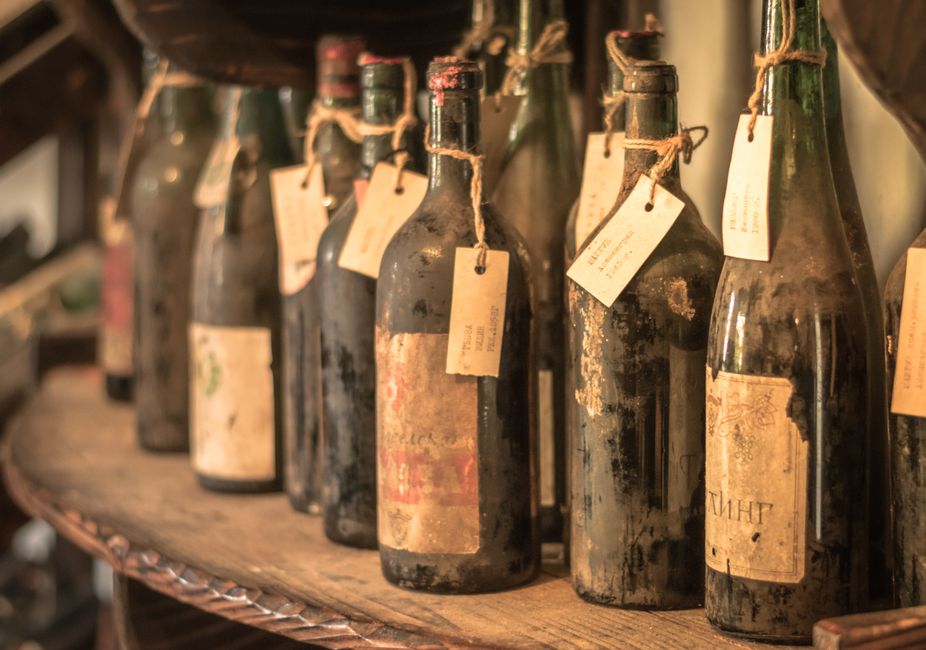
The 750 ml bottle we all plan our parties around is a fairly modern standard, not an ancient one.
In the United States, the usual bottle size for wine and spirits used to be the "fifth," one-fifth of a US gallon, or about 757 ml. In 1975, the Bureau of Alcohol, Tobacco and Firearms worked with the spirits industry on metric bottle sizes, set to take effect in January 1979.
From that point the basic wine bottle became 750 ml, matching what was already standard in Europe. So anyone hosting a dinner before 1979 in the US was technically counting in slightly bigger bottles.
What I like about this is that it shows how much of the "rules" we inherit are just habits that settled at some point. The bottle size changed and nobody's dinner party fell apart.
The useful number to remember is simple: a 750 ml bottle holds about five 5-ounce (150 ml) glasses. That 5-ounce pour is also what health agencies use as one standard drink of table wine at about 12% alcohol, and it's the number the rest of this guide builds on.
How to Pick Wine for a Dinner Party in 7 Steps

1. Match the Main Dish, Loosely
Start with what's on the plate, but don't overthink it. The most useful pairing rule is weight: light food wants a light wine, and rich food wants a rich wine.
Think "heavy with heavy, light with light" and you'll be right most of the time. A big braise or a steak can handle a fuller red; tannin, that dry, grippy feeling like over-steeped tea, softens when it meets fat and protein. A piece of fish or a vegetable pasta wants something lighter.
One more tip from pairing guides: the wine should be at least as tart as the food. If the dish has lemon or tomato, a soft, low-acid wine can taste flat beside it.
2. Lean on Crowd-Pleaser Styles
Some wines are simply easier to like and easier to pair. For reds, Pinot Noir is often called the consensus red for a turkey dinner because it has bright acidity and low-to-medium tannin.
Choose wines with good acidity and gentle tannin, and they'll cope with almost any side dish. Gamay, the grape behind Beaujolais, is another crowd-pleaser with low tannin that pairs with almost every side on the table.
For whites, dry or off-dry Riesling is a great choice. Its acidity and aromas help bridge savoury dishes and sweeter sides. My rule of thumb: when in doubt, pick the lighter, fresher bottle over the big, oaky one.
3. Count Bottles: Half to One per Guest
Here's where most of the stress lives, so let's put numbers on it. Wine Spectator's "Dr. Vinny" starts with two to three drinks per person for a dinner, which works out to about half a bottle each if wine is all you're serving.
For a long, relaxed dinner, plan closer to one bottle per guest. One retail wine expert quoted by Chowhound suggests buying as many bottles as you have guests, based on about two glasses in the first hour and one more for each hour after that.
So for eight people, that's somewhere between four and eight bottles. I'd lean toward the higher end for a holiday meal, because an unopened spare is a far better problem than a dry table.
4. Buy One Red, One White, Plus Bubbly
You don't need a wine for every course. A simple spread covers nearly everyone: one red, one white and one sparkling.
Bubbly is the secret weapon here, because high-acid sparkling wine is one of the most versatile food wines there is. Pairing guides mention it with everything from oysters to fried chicken to salty cheese, and it makes a natural welcome drink as people arrive.
Then split the rest between red and white based on the main dish. Keep in mind sparkling glasses are smaller, so a bottle of Champagne stretches to about six servings instead of five.
5. Aim for the Middle on Price
You don't need to spend a lot to make a good impression. In a study of more than 6,000 blind tastings published in the Journal of Wine Economics in 2008, everyday drinkers on average enjoyed pricier wines slightly less.
Spend on a solid mid-range bottle, not a trophy wine, and most of your table will be just as happy. The same study did find that people with wine training showed a non-negative link between price and enjoyment, so a wine-savvy friend might notice.
My approach is to pick a price I'd happily pay for a special weeknight, then buy more bottles at that level instead of one splashy one.
6. Get the Temperature Roughly Right
Temperature changes how wine tastes more than most people expect. Decanter suggests serving lighter reds chilled, around 12-13°C (54-55°F), and fuller reds at 16-18°C (61-64°F).
A warm kitchen is the enemy, so give reds a short spell in the fridge too. Decanter says a room-temperature red reaches about 15°C (59°F) after roughly 20 minutes in the fridge. A white needs about 45 minutes to get to 8°C (46°F).
If you want the full chart, I've covered it in the serving temperature guide. For a dinner party, just remember to start chilling before guests arrive.
7. Guest or Host? Different Jobs
If you're hosting, you've done the work above. If you're the guest, your bottle is a gift, not a contribution to the menu.
As a guest, don't expect your bottle to be opened that night. The Emily Post Institute points out the host may already have chosen wines for each course. It suggests attaching a small card, taking off the price tag, and says there's no shame in an inexpensive bottle.
If you're not sure your host drinks, Emily Post suggests bringing something else, like gourmet treats. And if you're the host receiving a bottle, it's entirely your call whether to open it now or save it.
Common Dinner Party Wine Mistakes

Most dinner party wine problems are about planning, not taste. A few to watch for:
- Buying only big, tannic reds. They can overwhelm lighter dishes and sides. Mix in a fresher red and a white.
- Serving reds straight from a warm room. Twenty minutes in the fridge helps more than you'd think.
- Underbuying to save money. Half a bottle per guest is a floor, not a target, for a long meal.
- Putting the whole budget into one bottle. Several good mid-range bottles beat one expensive one that's gone in a single round.
Conclusion

Picking dinner party wine comes down to a few easy moves: match the main dish loosely, choose fresh, low-tannin crowd-pleasers, buy half to one bottle per guest, cover red, white and bubbly, and spend in the middle. Chill everything a little and you've done more than enough.