
Wine Service, Storage & Handling · 7 min read
Wine Serving Temperature: Why Room Temp Is Too Warm
A wine serving temperature chart in °C and °F, why 'room temperature' meant a much colder room, and fridge and ice-bucket timings that work.

Intro
"Serve reds at room temperature, whites from the fridge." Most of us learned that rule early, and most of us follow it. The trouble is that both halves are usually off by several degrees.
Getting wine serving temperature right is the cheapest upgrade you can make to any bottle you already own. A red poured at 22°C (72°F) can taste hot and soupy, and a white straight from a 4°C (40°F) fridge can taste like almost nothing. This guide gives you a temperature chart by style in °C and °F, explains where "room temperature" came from, and shows you how to hit the right number with a fridge, a freezer, or an ice bucket.
Why Does Wine Serving Temperature Matter?
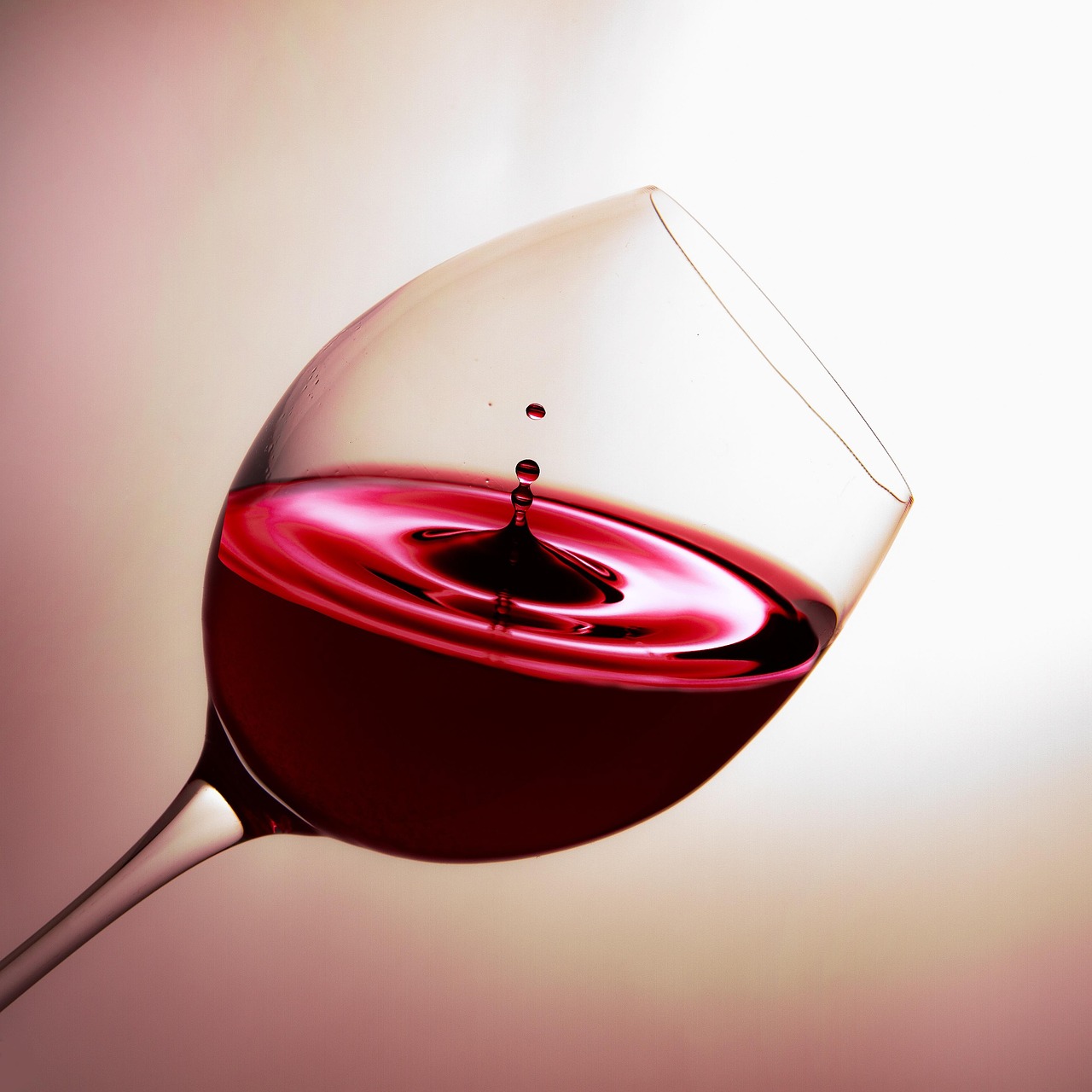
Temperature changes what your nose and mouth pick up from the same liquid. Aroma compounds need to evaporate before you can smell them, and colder wine releases fewer of them, so a cold glass smells muted.
Too cold hides flavour; too warm exaggerates alcohol. Chilling also makes acidity taste sharper and tannin feel harsher, which is why a big Cabernet straight from the fridge can taste thin and grippy at the same time. Decanter's serving guide notes that over-chilled tannin can even leave a metallic taste.
Warmth works the other way. As a wine heats up, alcohol becomes more noticeable, acidity softens, and the wine can start to taste flat or "flabby." Sweetness also reads stronger when a wine is warmer, which is one reason dessert wines are served cool rather than at room temperature.
So the goal is a middle point for each style:
- Cold enough to keep acidity fresh and alcohol in check.
- Warm enough to let aromas out and keep tannin smooth.
That middle point shifts with the wine. A crisp Sauvignon Blanc and a full-bodied Shiraz need very different numbers, and neither of them wants the 20-something degrees most of our houses sit at.
Where Did "Room Temperature" Come From?
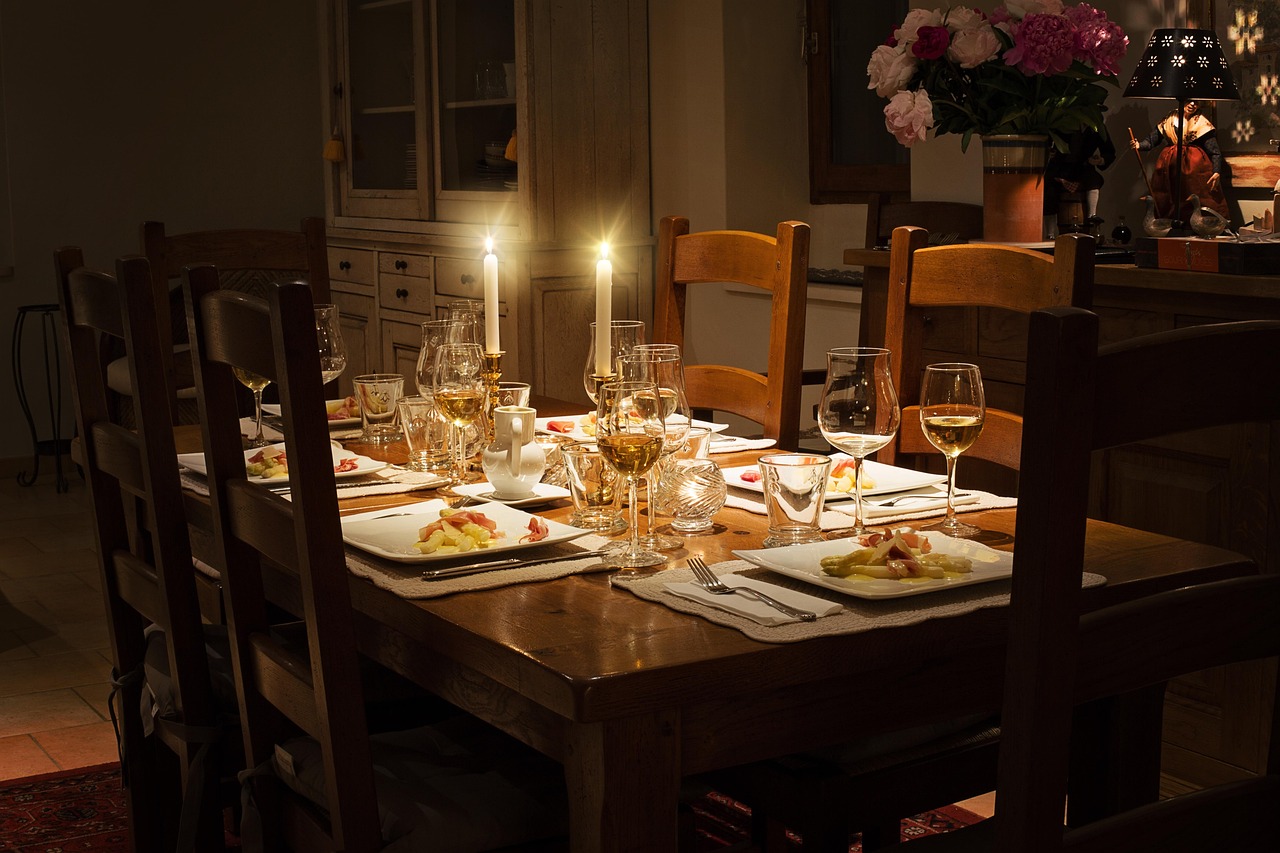
The phrase comes from the French word chambré, from chambre, meaning "room." The Oxford Learner's Dictionary defines it simply as red wine "at room temperature." What the dictionary doesn't tell you is which room, and in which era.
The "room" in room temperature was a lot colder than your living room. Decanter puts it plainly: the convention was set in dining rooms before central heating or insulation, when room temperature averaged around 18°C (64°F). France Today makes the same point, describing rooms in old stone houses with thick walls and no central heating.
You don't have to go back centuries to see the gap. The UK government's Housing Energy Fact File reports that most British families in 1970 lived in homes that were "as cool as 12°C on average" in winter. That's cellar temperature, not living-room temperature.
Now compare a modern home. A Statistics Canada survey found that most households set the thermostat between 20°C and 22°C (68°F to 72°F) when they're home and awake. Today's "room temperature" is two to four degrees warmer than the number the old rule was built on.
That's the real reason reds at room temperature so often taste boozy. The rule didn't change. The rooms did.
Wine Serving Temperature Chart by Style

The ranges below follow the service categories taught by the Wine & Spirit Education Trust (WSET) and Decanter's serving guide. Treat them as targets, not laws, and remember the wine will warm a little once it's in the glass.
| Wine style | Examples | °C | °F |
|---|---|---|---|
| Sparkling | Champagne, Prosecco, Cava | 6–10 | 43–50 |
| Light, crisp whites and dry rosé | Sauvignon Blanc, Pinot Grigio, unoaked Chardonnay | 7–10 | 45–50 |
| Full-bodied or oaked whites | Oak-aged Chardonnay | 10–13 | 50–55 |
| Light-bodied reds | Pinot Noir, Gamay | 12–14 | 54–57 |
| Medium and full-bodied reds | Bordeaux blends, Rioja, Shiraz | 15–18 | 59–64 |
| Sweet and dessert wines | Sauternes, late-harvest Riesling | 6–10 | 43–50 |
| Vintage Port | — | 18 | 64 |
Notice that not a single red on the chart reaches 20°C. Even the biggest reds top out at 18°C (64°F).
When each end of a range wins:
- Go colder for simpler, everyday bottles and hot summer evenings. Chill hides less, but it also refreshes more.
- Go warmer for complex, aged, or oaked wines. A fine Chardonnay at 12°C shows far more than the same wine at 6°C.
- Light reds can take a real chill. A Gamay or Pinot Noir at about 13°C is still a red wine, just a livelier one.
How Do You Get Wine to the Right Temperature?
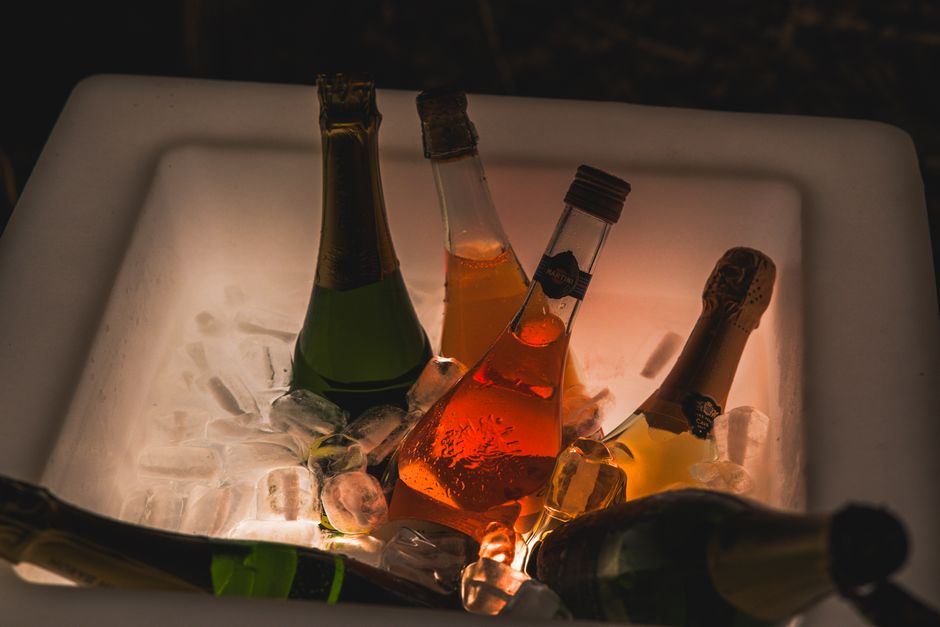
You don't need a wine fridge or a thermometer. A home fridge, a freezer, and a bucket of ice will cover almost every situation.
Reds usually need a short chill, and whites usually need a short rest. Here's how to do both.
1. Give reds 20 to 30 minutes in the fridge
Decanter estimates that a red at 20°C drops to about 15°C after roughly 20 minutes in the fridge. Other serving guides suggest about 30 minutes, so 20 minutes suits lighter-bodied reds and 30 suits bigger ones you want a touch cooler.
2. Chill whites for two to three hours, or overnight
From room temperature, plan on two to three hours in the fridge for whites and rosé. Overnight is fine too, but it brings us to the next step.
3. Let fridge-cold whites sit out briefly
A food-safe fridge runs at or below 4°C (40°F), colder than almost every white on the chart. Take full-bodied whites out a little before serving and let the glass do the rest.
4. Use an ice bucket with water, not just ice
A bottle sitting in dry ice cubes chills slowly, because only a few points touch the glass. Fill the bucket with ice and cold water up to the neck, and most bottles are ready in 15 to 20 minutes.
5. Add salt when you're in a hurry
Salt lowers the freezing point of the water, so the bath gets colder than plain ice water. Common chilling guides put a salted ice bath at 10 to 15 minutes.
6. Use the freezer only with a timer
Decanter's figures put a still wine at about 22 minutes for lightly chilled and 28 minutes for fully chilled, and sparkling wine at about 20 minutes. Forget it, and the expanding liquid can push out the cork or crack the bottle.
Common Mistakes With Serving Temperature
- Serving reds at thermostat temperature. At 20°C to 22°C, most reds taste warmer and more alcoholic than intended, so give them a short spell in the fridge.
- Pouring whites straight from a 4°C fridge. That's fine for a light Pinot Grigio, but an oaked Chardonnay will taste closed until it warms up a few degrees.
- Leaving bubbly in the freezer "for a bit." Set a timer every time; a forgotten sparkling wine is the most likely bottle to burst.
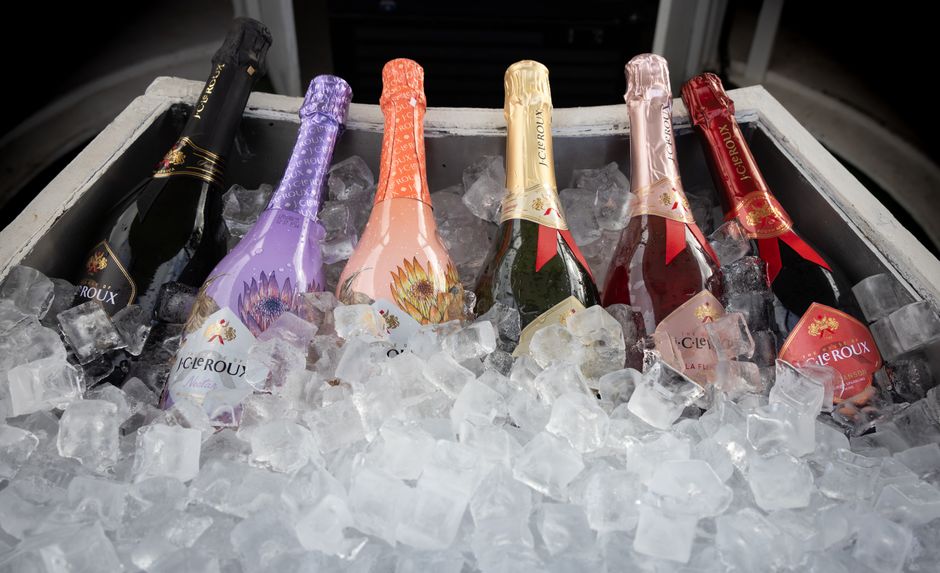
- Forgetting the bottle on the table. An open white warms toward the room as you eat, so keep it in the ice bucket between pours.
One quick fix covers most of these: reds come down a few degrees, whites come up a few.
Conclusion
Ideal wine serving temperature runs from about 6°C (43°F) for sparkling and sweet wines to 18°C (64°F) for full-bodied reds. "Room temperature" meant a cool, unheated room of around 18°C, not a modern 21°C home, so give reds 20 to 30 minutes in the fridge and let fridge-cold whites warm slightly before pouring.
Keep the chart handy for your next dinner, and you'll taste more of every bottle without spending an extra dollar.