
Comparison/Educational · 6 min read
Screw Cap vs Cork: Does It Actually Affect the Wine
The closure barely changes the wine in the bottle. Here is what screw cap versus cork actually controls, and the history behind the assumption.
Intro
Pull a screw cap off a bottle and some part of the brain still registers "cheap wine." That assumption is doing a lot of unearned work. The closure barely touches what the wine actually tastes like on the day you open it — its real job is what happens to the wine over time, and even that story is less settled than the stereotype suggests.
Neither closure makes a wine better or worse on its own — they manage risk and aging differently, and the "cork means quality" assumption isn't even historically accurate. Screw caps seal more reliably; cork allows a slow, controlled trickle of oxygen that can benefit certain age-worthy reds. Here's what the closure actually controls, why the stereotype exists, and why cork's reputation for prestige has a shakier past than most people assume.
Why It Matters
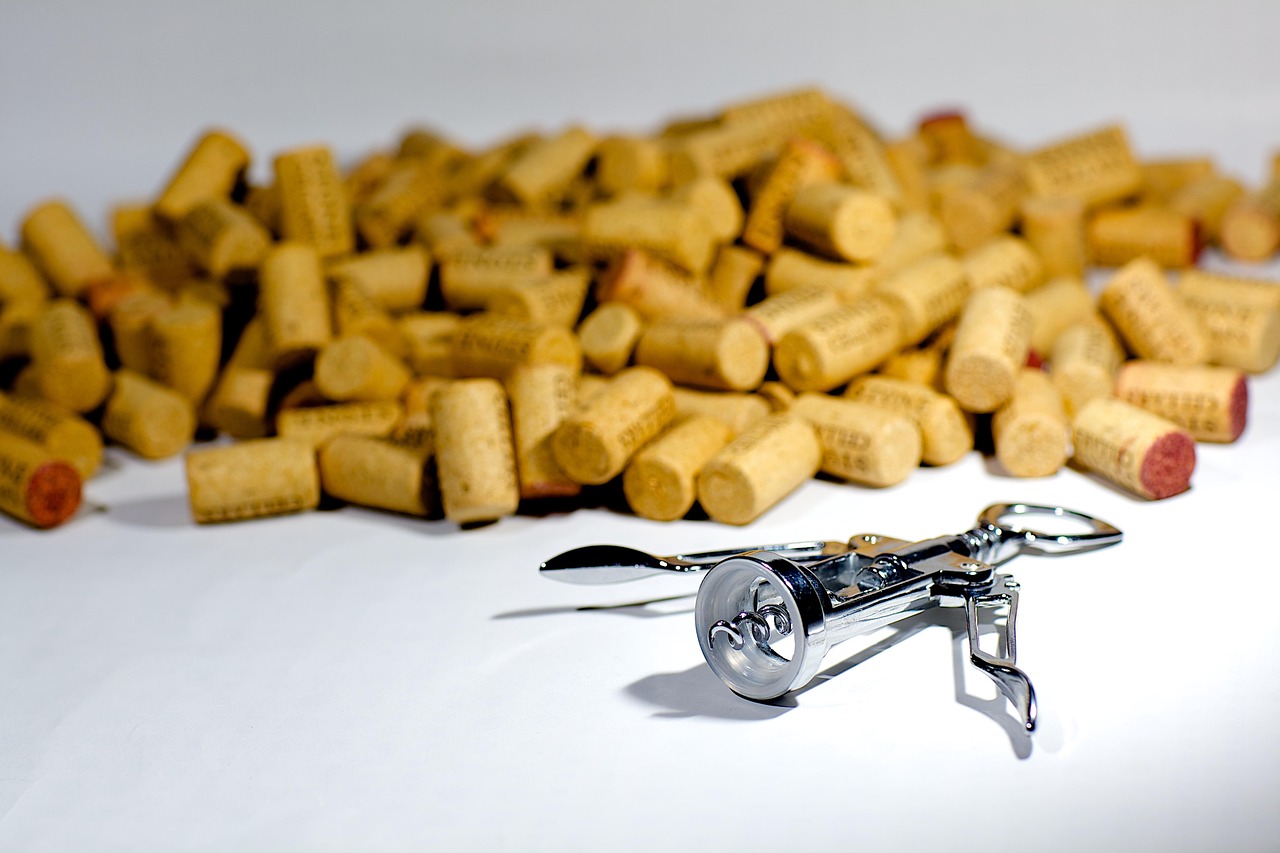
The single biggest practical difference isn't flavor — it's risk. Cork taint, caused by a compound called TCA, affects roughly 5% of cork-sealed bottles with a musty, wet-cardboard smell that ruins the wine inside. Screw caps essentially eliminate that risk entirely.
A blind tasting reported by the American Chemical Society found consumers couldn't reliably tell screw-capped Pinot Noir and Chardonnay apart from cork-sealed versions of the same wine. That's the core finding worth remembering: closure type affects consistency and aging trajectory far more than it affects how a freshly opened bottle tastes.
Where it does matter is bottles built to age for a decade or more. Cork's slow, porous oxygen exchange plays a real role in how a serious Cabernet or Barolo develops complexity over years in the cellar — a screw cap's much tighter seal changes that aging curve, for better or worse depending on the wine.
The cork industry has responded to the taint problem directly rather than ignoring it. Treated, screened corks — guaranteed TCA-free options like Amorim's NDTech — now exist specifically to close that gap, though they cost more than both a standard cork and a screw cap. The corks getting more reliable is itself evidence that reliability, not romance, is what actually drives the closure debate.
Cork's "Premium" Reputation Is Younger Than It Looks

Here's what flips the assumption: cork wasn't always the trusted, prestige closure people assume it's always been — for a long stretch, it was considered the riskier option.
Glass bottles didn't get uniform enough necks to seal reliably with cork until the 17th century, so before that, wine was sealed with oil-soaked cloth, wax, and wooden stoppers. Even once cork became available, it wasn't an instant, obvious upgrade.
A 1676 English treatise on cider warned that "much liquor being absolutely spoiled through the only defect of the cork," and argued that hand-ground glass stoppers were the safer, more reliable choice — glass stoppers held their own as the premium option for decades after cork existed as an alternative.
Even the famous origin story is shakier than the marketing suggests. Cork-sealed wine is often credited to the French monk Dom Pérignon, but wine historian George Taber has documented that English producers were already bottling sparkling wine under cork before Dom Pérignon's supposed breakthrough. Cork won out for practical reasons — cost, availability, consistency over time — not because it was recognized from day one as the mark of a serious wine.
What Actually Divides the Two Closures
| Cork | Screw Cap | |
|---|---|---|
| Risk of cork taint (TCA) | ~5% of bottles | Essentially none |
| Oxygen exchange | Slow, gradual | Minimal, much tighter seal |
| Best suited for | Wines built to age years/decades | Wines meant to drink young to mid-term |
| Consistency bottle-to-bottle | Variable (natural material) | Highly consistent |
| Opening | Requires a corkscrew | Twist, no tool needed, resealable |
Consistency is where screw caps have the strongest research backing. A study in the Australian Journal of Grape and Wine Research found screw-capped bottles of identical wine showed measurably less bottle-to-bottle variation than the same wine under cork.
Screw caps themselves aren't new, either — they first appeared on wine bottles in 1959, developed for producers losing bottles to cork taint even then. Australia and New Zealand adopted them widely decades before most of the rest of the world caught up, which is a large part of why the "cheap wine" association took hold in markets that adopted screw caps later and more slowly.
Reading a Bottle Without the Stereotype
A few habits help sidestep the assumption entirely:
- Check the intended drinking window, not the closure. A screw-capped bottle meant to be opened this year isn't "settling" for a lesser seal — it's matched to how the wine is meant to be enjoyed, and forcing a corkscrew into that decision adds ceremony without adding anything to the glass.
- For serious cellar-aging reds, cork still has the edge. The slow oxygen exchange is a real, measurable factor in how tannins and complexity develop over a decade-plus, which is why most producers making wines meant to be laid down still reach for cork.
- Don't assume a producer's cheaper line explains their closure choice. Many premium Australian and New Zealand wineries — including bottles that cost well over $50 — use screw caps exclusively, by deliberate choice, not budget, and have for decades.
- If a wine smells like wet cardboard or a damp basement, that's cork taint, not the wine's fault. It's worth knowing the smell specifically so a corked bottle gets returned rather than written off as a bad producer.
None of this is about picking a side — it's about matching the closure to what the wine is actually built to do.
Common Mistakes People Make

- Assuming screw cap automatically means cheaper wine. Reputation, not price or quality, is driving that assumption — plenty of expensive, serious wines use screw caps deliberately, especially from Australia and New Zealand.
- Assuming cork is inherently safer. Cork carries the actual, measurable risk of taint; screw cap does not, despite the opposite perception being the more common one.
- Assuming a corked bottle can always age better. True mainly for wines built to age a decade or more — most wine, cork or screw cap, is made to drink well within a few years of release, where the aging difference barely comes into play.
- Assuming the "tradition" argument is really about quality. Historically, glass stoppers were the trusted premium option over cork for decades — tradition and quality haven't always pointed the same direction, and cork's own history has more myth in it than most people realize.
Conclusion
The closure isn't a quality signal — it's a risk-and-aging decision, and the history behind "cork means quality" is far less settled than the stereotype suggests. Screw caps seal more reliably; cork allows the slow oxygen exchange that serious age-worthy wines are built around.
Once you're reading the closure for what it actually controls instead of what it seems to signal, a twist-off bottle stops being a red flag and starts being useful information — about how the wine was meant to be enjoyed, not how seriously it was made.