
How-To/Educational · 6 min read
How Wine Is Actually Made, Start to Finish
Wine is grapes, yeast and a series of decisions. Here is what actually happens between vine and bottle, including where the yeast really comes from.
Intro
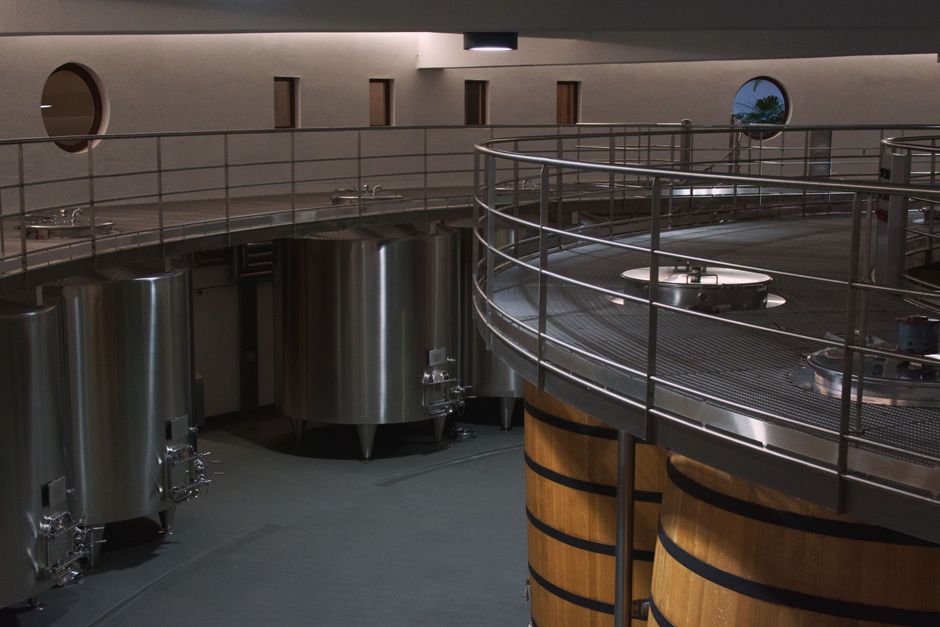
Wine has a reputation for being complicated, and the process is the part people assume is most complicated of all. It is not. Grapes are picked, sugar becomes alcohol, the liquid is separated from the solids, and time does the rest.
Everything that makes one wine different from another happens in the gaps between those steps -- in decisions, not in machinery.
How long the juice sits on the skins. Whether a second, bacterial fermentation is allowed to run. What the wine rests in, and for how long.
Here is the whole sequence, start to finish, and the decision hiding inside each step.
Why It Matters

Knowing the process is the difference between a label being a list of words and a label being information. "Unfined and unfiltered", "barrel fermented", "no malo" -- each of those names a step below, and none of them mean anything until you know which step.
It also explains the price of a bottle better than the grape variety does. Hand harvesting, small fermentation lots and two years in new French oak are process decisions, and every one of them adds cost that has nothing to do with what was grown.
And it settles arguments. Most of what people believe about wine turns out to be a claim about the process rather than the fruit -- which means it is checkable against what actually happens in the room.
The Yeast Mostly Does Not Come From the Grapes
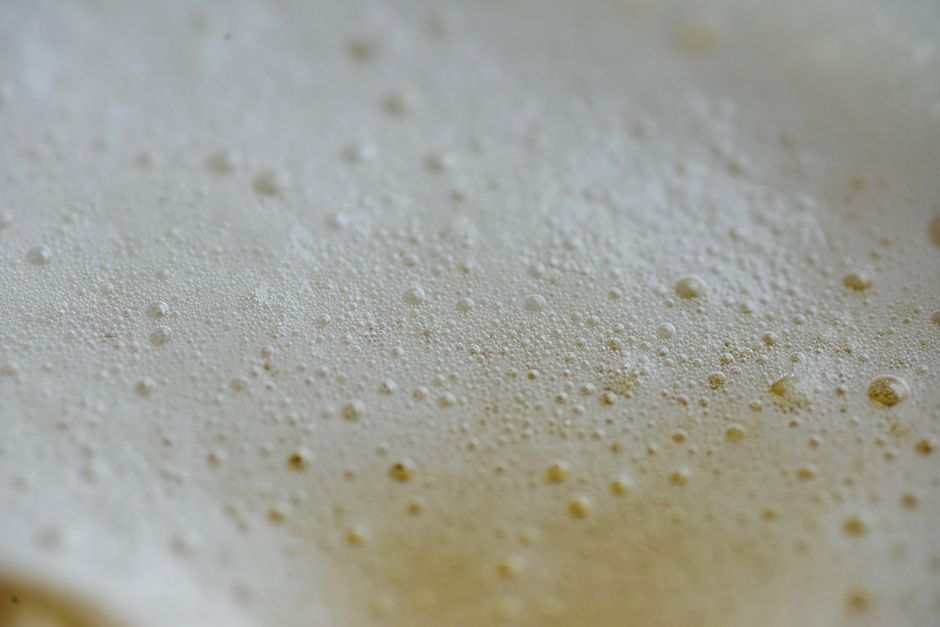
Here is the part that surprises people who already know the rest: the yeast that turns grape juice into wine is mostly not living on the grapes.
Saccharomyces cerevisiae does almost all the alcoholic fermentation in wine. It is also strikingly rare in a vineyard. A 1999 study by Mortimer and Polsinelli found it on roughly one intact berry in a thousand -- and on one in four damaged berries, where a split skin had turned the berry into a feeding station carrying hundreds of thousands of yeast cells.
So where does the rest of it come from? The winery.
S. cerevisiae colonises tanks, presses, hoses and walls, and individual strains can persist in the same cellar year after year. Researchers call them resident strains, and the pattern the "winery effect".
Which means a "wild" or "native" fermentation is largely a house yeast rather than a vineyard one. It is a real practice and it does make different wine. It is just not the grapes doing it unaided -- a cellar that has been fermenting in the same room for forty years has built up something closer to a sourdough starter than a blank slate.
What Actually Happens, Step by Step

| Step | What happens | The decision inside it |
|---|---|---|
| Harvest | Grapes picked, by hand or machine | When to pick: sugar keeps rising, acid keeps falling |
| Crush and destem | Berries broken open, stems usually removed | Whole clusters kept or not -- stems add tannin and grip |
| Maceration | Juice sits in contact with the skins | Hours or weeks; this is what decides colour and tannin |
| Alcoholic fermentation | Yeast converts sugar into alcohol and CO2 | Ambient yeast or an inoculated strain, and temperature |
| Pressing | Liquid separated from the solids | Before fermentation for most whites, after it for most reds |
| Malolactic fermentation | Bacteria convert malic acid into lactic | Encouraged, blocked, or allowed partway |
| Ageing | Time in steel, concrete or oak | Vessel, size, age of the barrel, duration |
| Fining and filtration | Haze and fine particles removed | Which agent, or none at all |
| Bottling | Sealed and rested | Closure, and how long before release |
Two of those are worth pulling out of the table.
Malolactic fermentation is not done by yeast. It is bacterial -- usually Oenococcus oeni -- and it converts sharp malic acid, the acid in a green apple, into softer lactic acid. Nearly all red wine goes through it. For whites it is a choice, and it is the main reason one Chardonnay tastes round and buttery while another tastes like a cut lemon.
Fining is the step where a wine stops being vegan. The traditional agents are animal: egg white, gelatin, casein from milk, isinglass from fish bladders. They are added to catch the particles causing haze and then filtered out before bottling, so effectively none of it reaches the glass -- but an animal product was used to make the wine, which is why "vegan" appears on some labels and not others.
Reading a Label for How It Was Made
Once the steps have names, a surprising amount of a back label becomes legible.
- Unfined / unfiltered -- the clarifying steps were skipped. Expect a wine that may throw sediment and look slightly hazy, which is cosmetic rather than a fault.
- Barrel fermented -- fermentation happened in oak instead of steel, which is a different thing from being aged in oak afterwards, and gives a more integrated texture.
- Wild / native / spontaneous ferment -- no commercial yeast was added. See above for whose yeast it actually was.
- Sur lie -- the wine rested on its spent yeast cells rather than being racked off them, which adds body and a bread-like note.
- Estate bottled -- the grapes were grown, made into wine and bottled by the same operation, which is a claim about control rather than quality.
Nothing on that list tells you whether a wine is good. Every one of them tells you how it was made, which is a far more useful thing for deciding whether you will like it.
Common Mistakes People Make
Assuming more steps means better wine. Some of the most expensive wine in the world is made with fewer interventions than a supermarket bottle, and some excellent everyday wine is heavily managed. The number of decisions is not the point; which ones were right for the fruit is.
Treating "no additives" as a process claim. Almost all wine has sulphur dioxide added, in small amounts, because it is the preservative that keeps wine from turning to vinegar. Low-sulphur and zero-sulphur wines exist and can be excellent; they are also more fragile and less predictable, which is a trade, not a free upgrade.
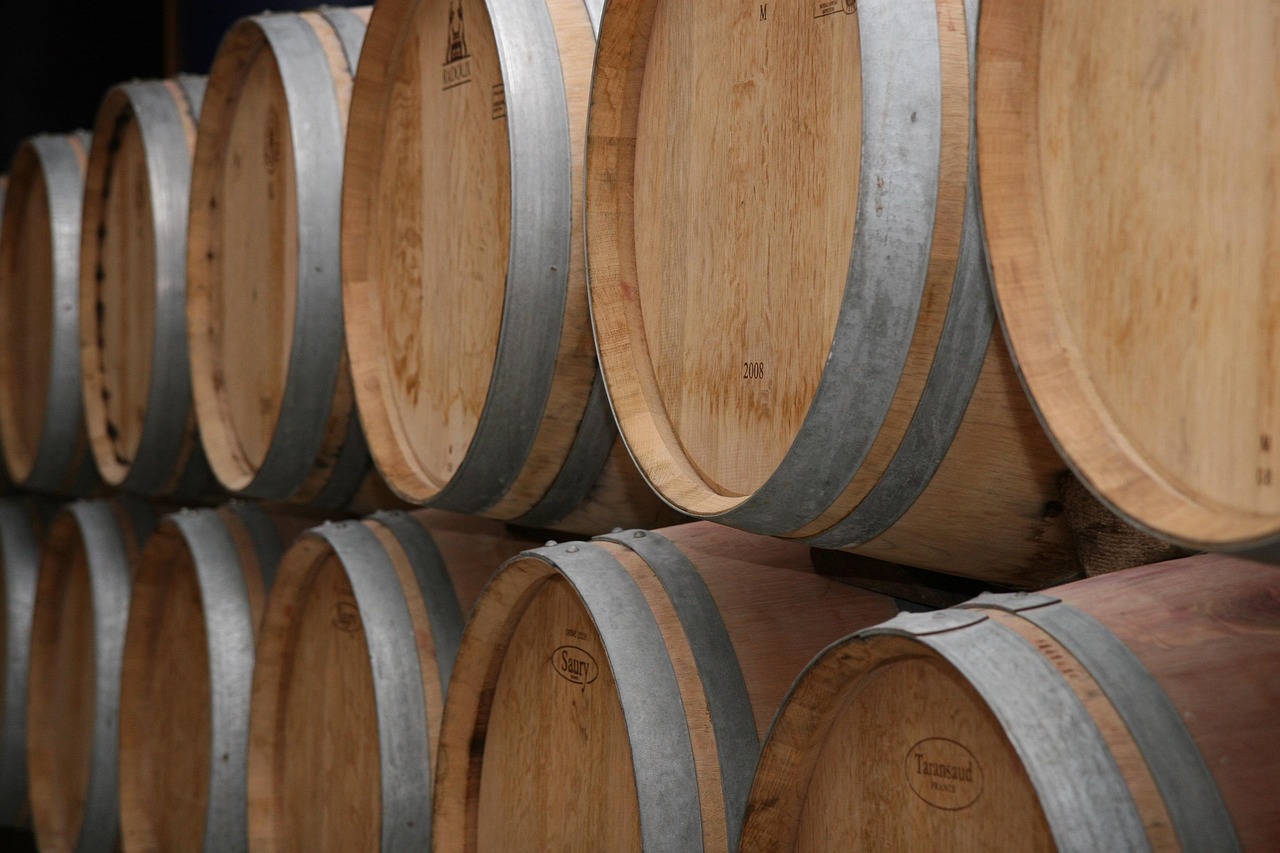
Thinking oak is a flavour you add. Oak is a vessel. What it gives depends on the size of the barrel, whether it has been used before, how heavily it was toasted and how long the wine sat in it -- and a wine can spend two years in old oak and taste of no oak at all.
Confusing sediment with spoilage. Crystals in the bottom of a white, or fine grit in an older red, are by-products of steps that were deliberately not taken. They are harmless, and in an unfined wine they are close to expected.
Conclusion
Wine is grapes, yeast, bacteria, time and roughly nine decisions. The steps are nearly always the same; the choices made inside them are what produce every wine you have ever liked or not liked.
And the yeast, mostly, came with the building.