
Food & Wine Pairing · 8 min read
The Cheese and Wine Pairings I Keep Coming Back To
My go-to cheese and wine pairing guide: a plain-English table, 7 reliable classics, simple rules of thumb, and how to build a small board for guests.

Intro
Cheese and wine pairing has a reputation for being fussy, with charts, rules and people swirling glasses while frowning at a wedge of blue. Good news: you don't need any of that. A handful of reliable matches will cover almost every board you'll ever put out.
You don't need to memorize a chart; six or seven classic pairings and three simple rules will get you through nearly any cheese plate. Below are the combinations I recommend most often, a plain-English table of why each one works, and a few rules of thumb.
I'll also cover how to build a small board for guests, plus one popular belief that a couple of research teams have put to the test. The results were more relaxed than most pairing advice.
Why Does Cheese and Wine Pairing Matter at All?
Cheese is salty, fatty and often tangy. Wine brings acidity, that mouth-watering zing like a squeeze of lemon, plus fruit and sometimes sweetness or tannin. Tannin is the dry, grippy feeling you get from a strong red, a bit like over-steeped tea.
When the two fit, each one makes the other taste better; when they clash, one simply flattens the other. A strong blue cheese can bulldoze a delicate white. A big, tannic red can turn a mild fresh cheese chalky and dull.
Getting it roughly right matters most when you're hosting. You've bought a few cheeses and opened a couple of bottles, and you'd like both to shine. A little planning means nobody is left sipping a wine that suddenly tastes thin or bitter.
It also helps at a tasting counter or restaurant. Knowing that goat cheese loves a crisp white, or that blue cheese wants something sweet, lets you order a cheese plate and a glass with real confidence.
What Did Scientists Find When They Tested Cheese and Red Wine?

Researchers at UC Davis found that cheese mostly turns red wine's volume down, not up. In a 2006 study, a trained panel of 11 tasters tried eight red wines with eight cheeses, from Gruyère and cheddar to mozzarella and Stilton.
Nearly every cheese muted the wines. Berry and oak flavours dropped, and so did sourness and astringency, that drying, puckering effect of tannin. The one thing that went up was a buttery aroma, which makes sense when you're chewing cheese.
Here's what surprised me most. The cheese dulled the nice flavours and the not-so-nice ones alike, so a fruity wine lost some fruit and a green, bell-pepper-ish wine lost some of that too. The researchers concluded we "should be able to enjoy almost any cheese with almost any wine."
A decade later, in 2016, a team at France's Center for Taste and Feeding Behavior ran a different test. Regular wine-and-cheese eaters in Dijon tried four wines with four cheeses, including Roquefort, Comté and a small goat cheese called Crottin de Chavignol.
None of the four cheeses made people like any wine less, and with the reds, the drying feeling faded faster while the fruit lingered longer. As lead author Mara Galmarini put it, with an assorted cheese plate "the wine will probably taste better no matter which one they choose."
My takeaway: pairing is about making things better, not avoiding disaster. You'd have to work quite hard to ruin a cheese plate.
The Cheese and Wine Pairings I Recommend Most
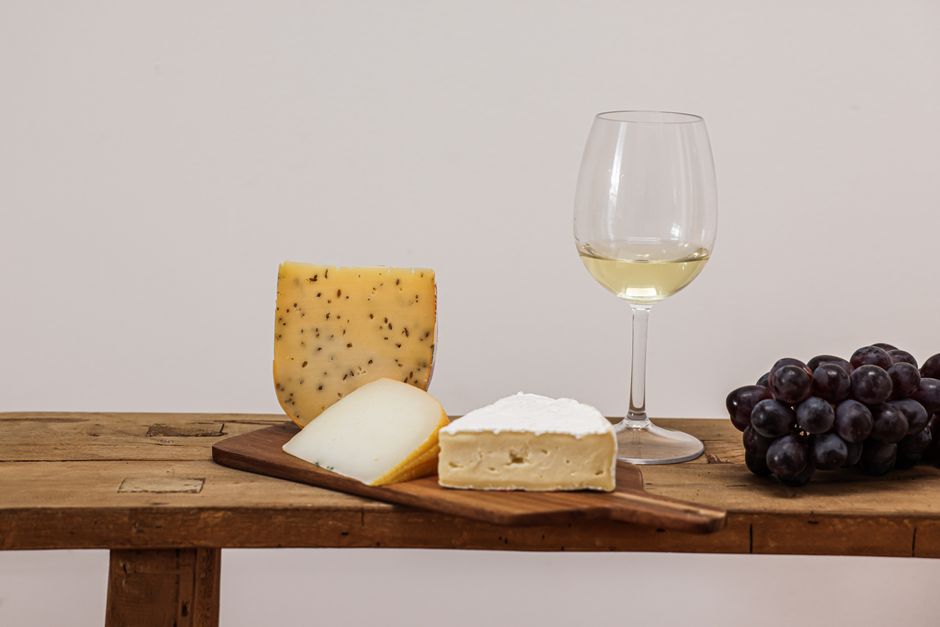
These are the classics that show up on nearly every serious pairing list, and the ones I'd reach for first.
| Cheese type | Wine style | Why it works, in plain words |
|---|---|---|
| Fresh goat cheese | Sauvignon Blanc (e.g. Sancerre) | Tangy cheese, zesty wine; the acidity matches instead of fighting |
| Brie, Camembert, triple cream | Sparkling wine or unoaked Chardonnay (e.g. Chablis) | Bubbles and crisp acidity cut through the rich, buttery texture |
| Aged cheddar | Cabernet Sauvignon, Syrah or oaky Chardonnay | Big flavour meets big wine, and the fat softens the red's grip |
| Blue cheese (Stilton, Roquefort) | Port, Sauternes or another sweet wine | Salty plus sweet, the same trick as salted caramel |
| Gruyère, Comté | Dry white or a lighter red like Pinot Noir | Nutty, firm cheeses are flexible and suit both colours |
| Manchego | Amontillado sherry or Rioja | Nutty, savoury flavours line up with nutty, savoury wine |
| Washed-rind, stinky cheese | Gewürztraminer or another aromatic white | A floral, perfumed white stands up to a pungent rind |
If you only remember one row, make it goat cheese and Sauvignon Blanc; it's the easiest win on the table. Sancerre is a Sauvignon Blanc from France’s Loire Valley, and Crottin de Chavignol comes from a village in the same region, so the pair grew up together.
Blue cheese with something sweet is my favourite contrast. Think of Stilton with Port or Roquefort with Sauternes. The salt in the cheese tames the sugar in the wine, and each tastes more balanced than it does alone.
Simple Rules of Thumb for Any Cheese
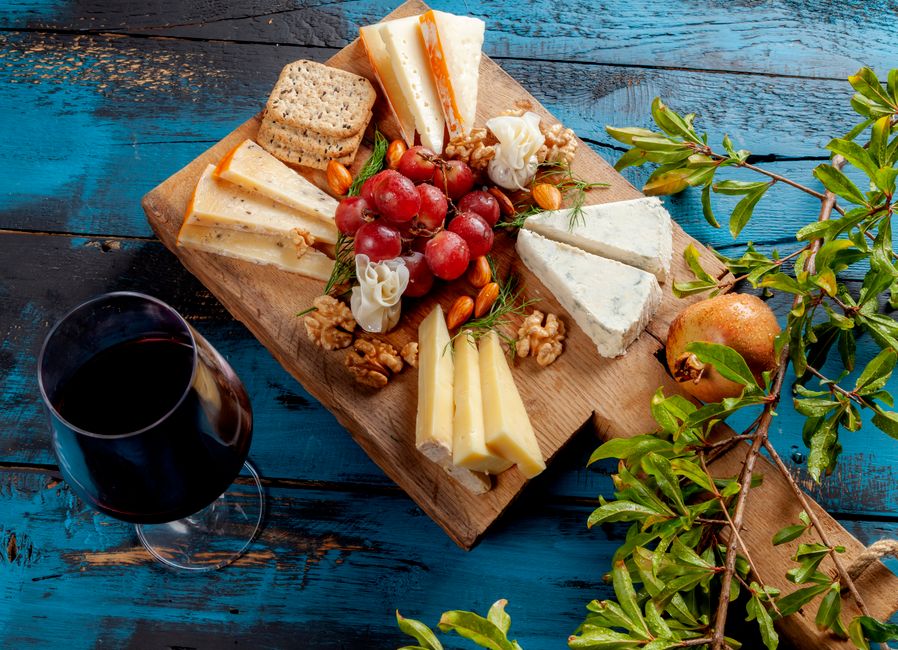
When you're facing a cheese that isn't on any chart, these rules do most of the work.
- Match intensity. Light cheese, light wine; bold cheese, bold wine. A fresh mozzarella and a mild white sit at the same volume.
- Salty loves sweet. The saltier the cheese, the more a touch of sweetness in the wine helps.
- Bubbles cut richness. Sparkling wine's acidity and fizz lift fat off your tongue, which is why it's so good with soft, creamy cheeses.
- Stinkier cheese, sweeter wine. A pungent rind often wants an aromatic or slightly sweet white rather than a dry red.
- What grows together goes together. Cheese and wine from the same area often match, as with Sancerre and local goat cheese.
My rule of thumb when I'm unsure: pick a crisp white or a sparkling wine, because they get along with more cheeses than a big red does. It's not glamorous advice, but it's saved plenty of boards.
How Do You Build a Small Cheese Board for Guests?

You don't need a giant spread. A well-chosen small board is easier to pair and easier to finish.
- Pick three or four cheeses with different textures. One soft (brie or goat), one firm (aged cheddar or Gruyère), one blue, and maybe one wild card.
- Plan about 30 g (1 oz) per person as a starter, or about 60 g (2 oz) if the board is the main event.
- Take the cheese out of the fridge about an hour before guests arrive. Leave it wrapped so it doesn't dry out; cold cheese tastes muted.
- Open two or three wines, not seven. A sparkling wine, a crisp white and either a sweet wine or a medium red cover almost everything above.
A sparkling, a Sauvignon Blanc and a small bottle of Port will cover a four-cheese board better than any single bottle could. Add bread or plain crackers, a few nuts, and some fruit or honey for the blue.
I'd also suggest putting cheeses in order from mildest to strongest. Guests can start gently and work up, and the strong blue doesn't ruin anyone's first taste.
Is Red Wine Always the Best Choice With Cheese?

Red wine and cheese is the default picture, but many of the classic pairings are white, sparkling or sweet. Look back at the table: goat cheese, brie, washed rinds and blues all lean away from dry reds.
The UC Davis study explains part of it. Cheese dulls a red's fruit and oak, and those are often what you paid for in a pricier bottle. Reds still work, especially with aged cheddar and firm cheeses, but they're one good option, not the only one.
A few other common mistakes:
- Serving cheese straight from the fridge. It tastes flat until it warms up a bit.
- Pairing a delicate wine with a strong cheese. A light white disappears next to a pungent blue.
- Opening your best bottle for the board. Save it for when you can taste it on its own.
- Putting out too many cheeses. Four is plenty for most groups and much easier to match.
Conclusion
The cheese and wine pairing classics hold up for good reasons: goat cheese with Sauvignon Blanc, brie with bubbles, aged cheddar with Cabernet and blue cheese with Port or Sauternes. Match intensity, pair salty with sweet, and use bubbles to cut richness. Research suggests cheese rarely makes wine worse, so relax and enjoy it.
Start with one classic pair this weekend and taste each one on its own first, then together. You'll notice the difference right away.