
Wine Service, Storage & Handling · 7 min read
Should Wine Be Stored on Its Side? What the Research Says
Should wine be stored on its side? Studies found standing bottles upright barely matters for years. Here's when lying them down still helps.
Intro
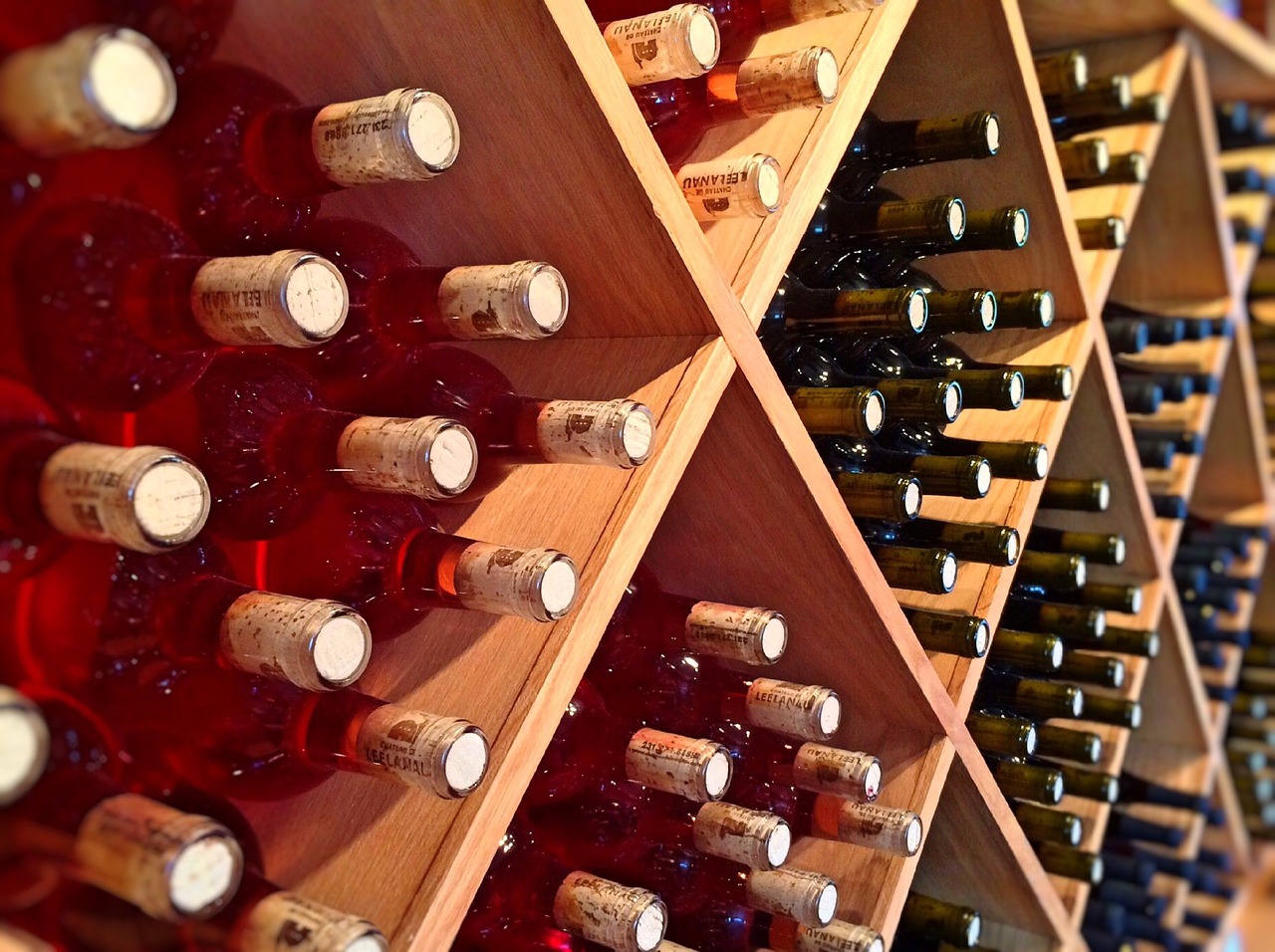
Every wine rack you've ever seen holds bottles on their sides, and the reason everyone gives is the same: keep the cork wet or it dries out and lets air in. So should wine be stored on its side, or is that just habit?
The short answer: for the weeks, months or even couple of years most bottles spend at home, standing them up does little or no harm anyone could measure. Two careful studies kept closed bottles both ways for years and found that which way they faced barely changed the wine. What sealed the bottle mattered far more.
That one surprised me. Laying bottles down still has real perks, though, and the research has limits worth knowing before you stand your best bottle up for a decade.
Why Does It Matter Which Way a Bottle Stands?

A natural cork is bark from the cork oak, and it seals a bottle by pressing outward against the glass. If it shrinks or cracks, oxygen can sneak in, and too much oxygen turns fresh fruit flavours flat, nutty and brown, a bit like a cut apple left on the counter.
That's the whole fear behind side storage: a dry cork means a leaky seal, and a leaky seal means tired, oxidised wine. It's a fair worry, and Wine Spectator's long-running advice column still recommends lying corked bottles down, especially for long-term keeping.
The same column points out that a busy wine shop can stand bottles upright without worry, because stock sells quickly. Its estimate is that it would take "more than a few weeks or even months" upright before the cork in a recently released bottle showed signs of age. So even the traditional camp agrees the risk is slow, not instant.
How Did Lying Bottles Down Become the Rule?

Here's the bit most storage guides skip. Wine bottles weren't always shaped so they could lie down at all.
According to the history published by one of the oldest port houses, early 18th-century bottles were "bulbous, broad bottomed and short necked." They could stand up, but you couldn't practically lay them on their sides. Picture a squat onion with a neck and you're close.
Glassmakers gradually stretched those "onion" bottles into taller, slimmer shapes. By the 1770s, bottles had become cylindrical enough to lie on their sides, which meant they could be stacked in bins and aged in the bottle for years.
That shift helped make vintage-dated wines for long aging practical, and the sideways rack has been the default ever since. In other words, side storage became possible because the bottle changed shape, and "keep the cork wet" is the explanation that hardened into a rule.
What Happened When Researchers Tested It?

The modern challenge came in 2018 from an unexpected place: a cork company. Dr. Miguel Cabral, research and development director at Amorim, one of the world's biggest cork producers, called side storage a myth.
His reasoning was simple: the little air pocket between the wine and the cork is already about as humid as air gets, so the cork has nothing to dry out into. That pocket is called the headspace, and he put its humidity at close to 100%.
He also floated the idea that soaking in wine all the time might wear a cork down faster, not slower. Keep in mind he speaks for a cork company, so he isn't a neutral party, and that second point was his opinion rather than something anyone tested.
Cabral didn't bring new data of his own. He pointed to a 2005 study, and a second peer-reviewed paper from 2006 lines up with it. Here's the story of each, minus the lab coats:
- The five-year test (2005). The Australian Wine Research Institute sealed a Riesling and an oaked Chardonnay under screw caps, natural corks, synthetic stoppers and sealed glass, then stored them upright and lying down for five years. Their verdict: bottle position "had little effect on the composition and sensory properties of the wines," which in plain terms means how they looked, smelled and tasted.
- The oxygen test (2006). A team from the wine faculty at Bordeaux measured how much oxygen crept into bottles through different seals over 36 months. It came down to the type of seal, not the bottle's position, for most closures, "at least during the first 24 months."
In both tests, the choice of seal changed the wine far more than which way the bottle faced. The synthetic-sealed wines in the Australian study ended up browner and more oxidised, while screw caps and so-called "technical" corks let in the least oxygen in the Bordeaux tests.
The catch is that the evidence is solid but narrow. The Australian work used two white wines and only two kinds of cork, and the Bordeaux result is qualified to the first 24 months.
Neither study followed a cellar-worthy red for 15 or 20 years, which is exactly when people care most. That's why my honest takeaway is "upright is fine for normal timeframes," not "orientation never matters."
So, Should Wine Be Stored on Its Side?
It mostly depends on what's sealing the bottle and how long you plan to keep it. Here's the cheat sheet I'd stick on the fridge:
| Closure or wine | Upright OK? | Notes |
|---|---|---|
| Natural cork, drinking within a year or two | Yes | The research shows little difference over this span |
| Natural cork, aging 5+ years | Lay it down | Untested territory, and side storage costs nothing |
| Screw cap | Yes | No cork to dry out, so position doesn't matter |
| Synthetic cork | Yes | Doesn't depend on moisture, but drink these young |
| Sparkling wine | Either | Pressure and escaping gas keep the cork moist |
| Fino and Manzanilla sherry | Upright | The official sherry council advises it |
For most bottles bought this month and opened this year, store them whichever way suits your space. Wine Spectator's column says there's no need to lay screw-capped and other non-cork bottles down, "but it also doesn't hurt."
Sparkling wine gets its own pass. One major Champagne house says lying down is ideal but upright is fine if you're short on space, because the slowly escaping bubbles keep the cork moist.
The official council for sherry goes further and recommends storing sherry upright, to keep the surface of wine exposed to air as small as possible. That matters most for delicate Finos and Manzanillas, the pale, dry styles.
Want to sort your own bottles in five minutes? Try this:
- Check what's under each foil or cap: screw cap, synthetic stopper, or natural cork.
- Stand screw caps and synthetics wherever they fit, and plan to open the synthetics sooner rather than later.
- Natural-cork bottles you'll open within a year or two can go either way.
- The bottle you're saving for a big occasion years from now gets laid down.
Racks still have one honest advantage: bottles lying down stack neatly and use space well. For setup ideas, see our guide to storing wine without a cellar.
Common Mistakes People Make

- Panicking about a bottle that stood upright in a shop. A few weeks or months upright won't ruin a recent release. Taste it before assuming the worst.
- Thinking side storage fixes bad conditions. Lying a bottle down does nothing about heat, light or big temperature swings. A bottle on its side above the stove still cooks.
- Laying down screw caps "just to be safe." It does no harm, but it does nothing for the wine either. Store them however fits your space.
- Standing up the special bottle for a decade. The research doesn't cover 10 to 20 years, so lay your long-keepers down and aim for about 70% humidity if you can.
In the research, which way the bottle faced was a minor detail next to the seal itself.
Conclusion
Should wine be stored on its side? For long-term aging under natural cork, yes, because it's cheap insurance in territory the research hasn't tested. For everyday bottles you'll open within a year or two, careful studies found position makes little difference, and screw caps, synthetics and sparkling wine are fine either way.
What really protects a bottle is a good seal and a cool, steady spot, not which way it points. For the closure side of the story, read our breakdown of screw cap vs. cork.