
Wine Service, Storage & Handling · 8 min read
How Long Does Wine Last Once Opened? Days by Style
How long does wine last once opened? A day for Prosecco, a week for light whites, weeks for Port. Style-by-style chart, plus what the spoon test found.
Intro
You open a bottle on a Tuesday, pour two glasses, and the rest sits on the counter. By Friday you're giving it a suspicious sniff and wondering if it's still worth drinking.
How long does wine last once opened? Anywhere from one day to several months, depending almost entirely on the style. A fizzy Prosecco might be flat by tomorrow, while a bottle of Madeira can sit open for months and taste just fine.
Below you'll find the numbers by style, one popular myth worth retiring (the spoon in the Champagne bottle), and the handful of easy habits that actually buy you extra days.
Why Does Opened Wine Go Bad?
Once the cork comes out, two things start working on the wine. The first is air: oxygen slowly flattens the fresh fruit and pushes it toward nutty, bruised-apple flavors.
The second is bacteria, and that's what turns wine into vinegar. Certain bacteria feed on the alcohol and turn it into acetic acid, the stuff behind vinegar's sharp smell. Both processes slow down in the cold, which is why the fridge shows up in almost every tip below.
What protects a wine is its structure, the backbone that holds it together. Wine Spectator's resident expert lists tannin, acidity, sugar and alcohol as the things that help a wine hold on to its flavor after opening.
That's why a sweet fortified wine (one with extra spirit added, like Port) shrugs off air for weeks. A delicate older red, on the other hand, can fade in a day.
The warning signs are easy to spot: dull fruit, a browner or "tired" color and a vinegary edge. None of these will make you sick the way spoiled food can, but the wine simply won't be pleasant anymore.
Before pouring a leftover glass, I'd give it a quick look and a sniff for exactly those three things. If it passes, enjoy it.
Does a Spoon Really Keep Champagne Fizzy?

Plenty of people still drop a teaspoon, handle down, into the neck of an open bottle of bubbly. Some households insist it has to be a silver one.
In 1994, Stanford chemistry professor Richard Zare and food writer Harold McGee put the spoon to a blind test, and the spoon lost. They kept bottles from the same batch in a fridge for 26 hours, some with spoons and some without. The spooned bottles were no fizzier than the ones simply left open.
The most surprising result was their least favorite sample: the bottle that had been recorked. The tasters guessed that losing some fizz had softened the wine's bitter edge, so the open bottles tasted slightly sweeter.
Other experts dispute that recorking point, so treat it as a curiosity rather than a rule. I'd still put a stopper on.
Around the same time, the Champagne trade body in Épernay skipped the tasting and measured the pressure inside the bottles instead. Open bottles lost pressure at the same rate with or without a spoon, while a stopper or cork kept the gas in.
The real hero in both tests was the cold. The bubbles (carbon dioxide) stay in the wine far better at low temperatures, so a chilly fridge is doing the job people give the spoon credit for.
How Long Does Wine Last Once Opened? A Style-by-Style Chart
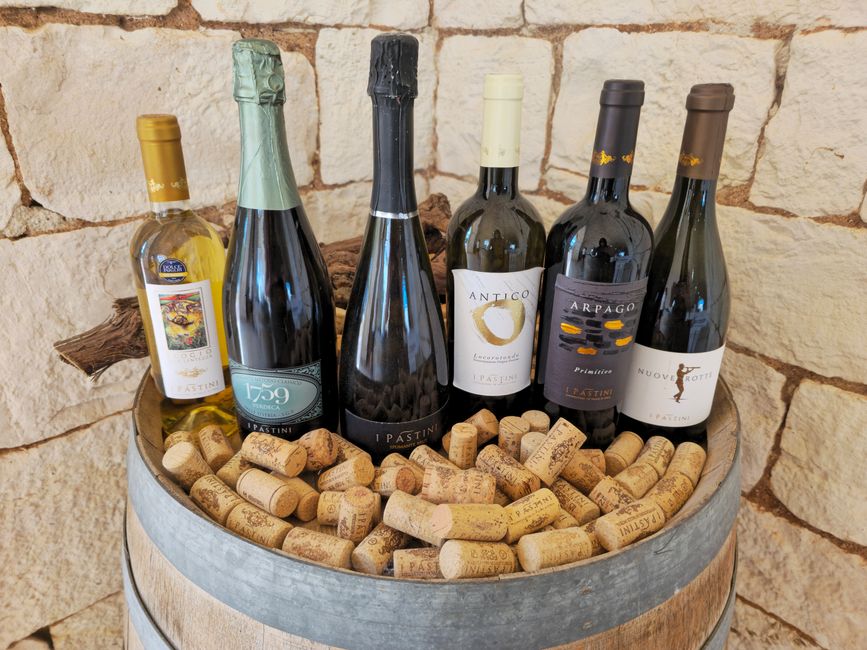
Here's the chart. These ranges assume you've closed the bottle back up; anything left open on a warm counter will fade faster.
| Wine style | Examples | How long once opened | Where to keep it |
|---|---|---|---|
| Sparkling, tank method | Prosecco | About 1 day | Fridge, sparkling stopper |
| Sparkling, bottle-fermented | Champagne, Cava | 1-3 days | Fridge, sparkling stopper |
| Light whites and rosé | Sauvignon Blanc, Pinot Grigio, dry rosé | 5-7 days | Fridge, cork or screw cap |
| Full-bodied whites | Oaked Chardonnay, Viognier | 3-5 days | Fridge, cork or vacuum cap |
| Lighter reds | Pinot Noir, Gamay | About 3 days | Fridge or cool, dark place |
| Fuller, tannic reds | Cabernet Sauvignon, Chianti Classico | 3-5 days | Fridge or cool, dark place |
| Delicate fortified | Fino and Manzanilla Sherry | A few days, up to a week | Fridge |
| Sturdy fortified | Ruby and tawny Port, Amontillado | Several weeks (tawny up to about 6) | Fridge or cool, dark place |
| Very sturdy fortified | Madeira, Oloroso, Pedro Ximénez | Months | Cool, dark place |
| Boxed wine | Any bag-in-box | 2-3 weeks | Fridge |
Light whites outlast full-bodied whites because their higher acidity keeps them lively. Full whites, especially oaked ones, lose their fruit faster and are worth a vacuum cap.
Reds with firm tannin (that dry, grippy feeling, like strong tea) and good acidity, like a Chianti Classico or a Bordeaux-style blend, generally hold up better than soft, light ones. Boxed wine wins on time because the bag inside collapses as you pour, so very little air gets near the wine.
One trap in the fortified rows: Vintage Port is the exception and only lasts a few days. Fino and Manzanilla Sherry are delicate too, so treat them more like a white wine than like their sturdier cousins.
A small habit that makes this chart far more useful: stick a strip of masking tape on the bottle and write the date you opened it. No more guessing on Friday.
Why Some Wines Taste Better on Day Two
Not every open bottle is on a straight slide downhill. Some wines, especially young, tannic reds, can actually taste better over several days, particularly if you keep them in the fridge.
A little air softens a tight, firm young wine, much like pouring it into a decanter does. As Wine Spectator puts it, the grape, the vintage (the year the grapes were picked) and the winemaking all decide how a wine responds.
Eventually every wine tips over into the flat, nutty, stale stage. Older wines tend to fade faster than young ones, so drink an aged bottle on the night you open it.
If you have a young red left over, try a small glass on the second and third evenings. It's a fun, low-effort way to learn how a wine changes with air.
How to Make Opened Wine Last Longer
You don't need gadgets to buy yourself a few extra days. Start with the free habits, then add tools if you often have leftovers.
- Recork right away. Put the cork or screw cap back on as soon as you've poured, not at the end of the night. Store the bottle upright so less of the wine's surface touches the air.
- Use the fridge for reds too. Cold slows both the air damage and the bacteria, so it helps every style. Just give a red some time on the counter before serving so it isn't icy.
- Try a vacuum pump. Pumps like the Vacu Vin pull some air out of the bottle and are cheap and reusable. In a small blind test after three days in the fridge, the pump beat simple recorking.
- Consider argon or another inert gas. Argon is heavier than air, so it settles on top of the wine like a protective blanket. Results vary: one Decanter panel found a gas spray kept wines the freshest, while that small blind test found gas no better than the original cork.
- Pour into a smaller bottle. Moving leftovers into a clean 375 mL half-bottle or a mason jar leaves less air above the wine. One wine columnist says this alone can stretch a wine to about seven days.
- Use a proper sparkling stopper. A clamp-style stopper holds in the pressure; a spoon or plain cork doesn't.
If you use a pump, don't overdo it. As a Master of Wine (one of the wine world's top professional titles) who tested stoppers for Decanter warned, an "over-vacuumed" wine can have its best aromas literally sucked out.
My own order of operations is simple: recork, into the fridge, and if there's less than half left, move it into a smaller bottle.
Common Mistakes With Opened Wine
- Leaving reds out on the counter "because reds are served at room temperature." A warm kitchen speeds up spoilage; the fridge is the better overnight spot.
- Trusting the spoon. Two separate tests found it does nothing; keep sparkling wine cold and sealed instead.
- Assuming all fortified wine lasts forever. Port and Madeira are sturdy, but Fino Sherry and Vintage Port fade within days.
- Pouring tired wine down the drain right away. If it's just tired rather than spoiled, it still works for cooking, as long as it doesn't smell sharply of vinegar.
Conclusion
Most opened wines give you about three to five days if you reseal them and keep them cold. Sparkling wine fades fastest, light whites and rosés hold about a week, and boxed and fortified wines last weeks to months.
Skip the spoon, use the fridge for every style, and cut down on the air in the bottle. Those three habits do more than any gadget.