Occasion / Situational · 8 min read
Visiting Wine Country the First Time: What I Wish I'd Known
Visiting wine country for the first time? Book ahead, plan 3-4 wineries a day, eat, spit without guilt, sort a driver and get your bottles home safely.
Intro
Ask a group of wine lovers what they wish they'd known before visiting wine country for the first time, and you'll hear the same handful of answers. Book ahead, do fewer wineries and eat something, and know that nobody minds if you pour out the rest of your glass.
None of this is secret, but almost nobody tells you before your first trip. Most of us learn it the hard way, usually around the third stop of the day, when the wines start to blur together.
This guide pulls those lessons into one place for anyone planning a first wine-country weekend. It works for any wine region, near or far, and there's no jargon test at the door.
Below you'll find why a little planning matters, one small study that every first-timer should hear about, and seven practical tips you can use on your very next trip.
Why Does a Little Planning Matter So Much?

Wine country looks relaxed, and it is, once you're there. But the way wineries welcome visitors has changed, and turning up on a whim doesn't always work anymore.
At many wineries today, a reservation is the difference between a seat at the bar and a "sorry, we're full." Food and travel writers who cover winery visits now describe booking ahead as either required or highly recommended. Some places still welcome walk-ins, but it's worth checking each one before you go.
A tasting also takes longer than most first-timers expect. Guides commonly suggest allowing about an hour to 90 minutes per visit, before you add the drive between stops.
Then there's cost. Tasting fees have climbed a lot over the past decade, and they now range from modest to eye-watering depending on where you go. Some wineries knock the fee off if you buy a few bottles, so it's worth asking.
My rule of thumb: plan the day around two things, your reservations and your ride home. Everything else (lunch, shopping, a scenic detour) can fit around those.
What Happens If You Swallow Every Sip?
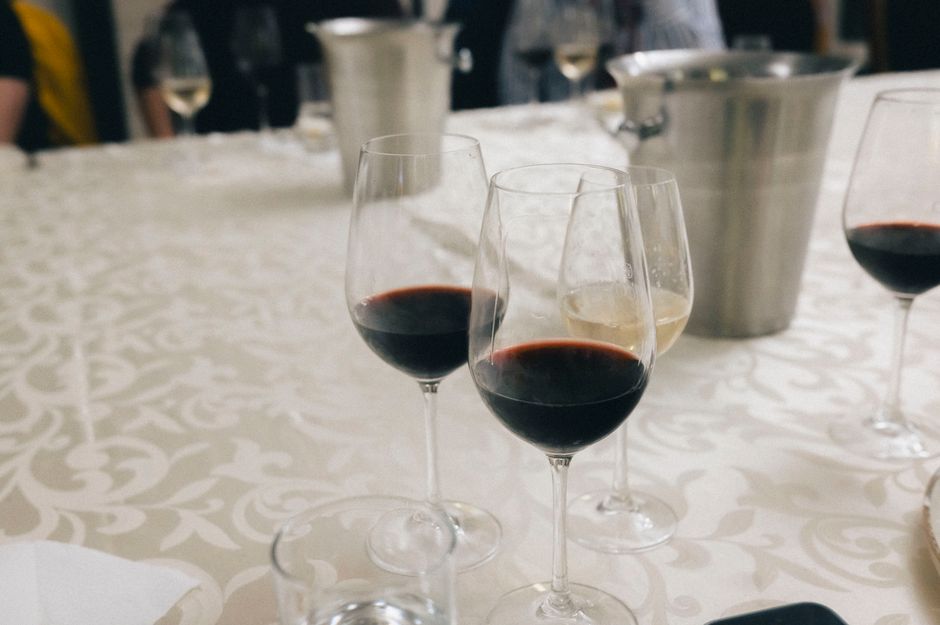
Here's the fact that surprised me most: a few tiny sips per wine can add up to more than you'd think.
In 2022, three doctors at a hospital in the Netherlands ran a simple experiment and published it in the journal Wine Studies. Ten hospital staff, aged 30 to 60, tasted ten wines over about an hour. The setup was built with the help of a professional wine taster.
In the first session, everyone swished each wine around their mouth and spat it out. Blood tests afterwards showed alcohol was detectable, but levels stayed low and under the Dutch legal driving limit.
Two weeks later, they repeated it, but this time swallowed just 15 ml of each wine. That's about a tablespoon per wine and only around 150 ml in total, roughly one standard glass. Even so, five of the seven people who did both sessions went over the Dutch driving limit.
Two details matter here. Nobody ate during either session, and the tasting started four and a half hours after lunch. The researchers' advice was plain: eat beforehand, and wait at least an hour after tasting before driving.
Spitting isn't rude, it's what the professionals do, and this study shows why. It also explains why the spit bucket on the tasting bar is there for you, not just for the experts.
Visiting Wine Country: 7 Things I Wish I'd Known

These are the tips wine lovers bring up again and again. Think of them as the friendly briefing most of us never got.
Seven small habits make the difference between a lovely weekend and a fuzzy one.
1. Go Mid-Week, and Know When Harvest Is
Weekends are when tasting rooms get busiest. If you can swing a weekday visit, you'll usually find more room at the bar and more time to chat with the person pouring.
Harvest season is lively and fun, but it's also crowded. In the Northern Hemisphere, harvest typically falls between August and October; in the Southern Hemisphere, between February and April. Quieter off-season months can feel almost private by comparison.
2. Plan Three or Four Wineries a Day, Not Six
This is the most common lesson of all. Travel writers commonly suggest three or four visits per day, and that's plenty.
Your nose gets used to smells the longer it's exposed to them (it's called olfactory fatigue, the same reason a restaurant's aroma fades after a few minutes). By the fifth stop, a lot of wines start to taste alike. Fewer stops also means you can linger where you like the wine.
3. Spitting and Dumping Are Completely Fine
Every tasting bar has a spit bucket, and using it is wholly appropriate. You'll also see people pour out the rest of a sample they don't care for, which is just as normal.
Pours are often around 2 to 3 ounces (60 to 90 ml), and you're not obliged to finish any of them. Sharing one tasting between two people is another easy way to pace yourself, and it saves money too.
4. Sort Out the Driving Before You Pour
Name a designated driver, book a tour, or hire a car service for the day. Some guides warn against counting on ride-hailing apps in wine country, because cars can be scarce out in rural areas.
A tour also takes the navigating off your hands. Instead of checking a map, you can just enjoy the view between stops.
5. Eat Before You Go, and Keep Eating
The Dutch study above is a good reminder: an empty stomach changes everything. Have a proper breakfast and plan lunch as a real stop, not an afterthought.
Light, plain food works best before a tasting. Skip strong flavours like garlic, spicy dishes or coffee right beforehand, since they can get in the way of what's in your glass. Drink plenty of water between wineries, and a plain cracker between wines helps reset your palate.
6. Have a Plan for Getting Wine Home
Buying is never required, but if you find a bottle you love, think about the trip home. On a warm day, the inside of a parked car can get much hotter than the air outside, and heat can leave wine tasting stewed or "cooked." A cooler in the trunk solves most of that.
Flying home? Most carry-on liquid rules allow only small containers, around 100 ml, so a full bottle usually needs to go in checked luggage, well wrapped. If you're buying a lot from one place, ask if they ship, but rules on shipping and bringing wine across borders vary, so check what applies to you.
7. Mind Your Tasting-Bar Manners
A few simple courtesies go a long way:
- Skip the perfume or cologne. Strong scents mask the wine's aroma, for you and for everyone around you.
- Taste light to full. Start with lighter whites and work toward bigger reds, so the bold wines don't overwhelm the delicate ones.
- Ask questions. Staff are usually happy to talk about the wine, the grapes and how it was made.
- Silence your phone and use an indoor voice. It's a business, and other guests are tasting too.
- Check whether a tip is already included. Some wineries add a gratuity automatically; customs vary from place to place.
What Mistakes Do First-Timers Make?

A few habits trip up nearly everyone on their first trip:
- Over-scheduling. Booking six tastings back to back leaves no time to enjoy any of them. Three or four, with a real lunch, is the sweet spot.
- Feeling obliged to finish every pour. You're there to taste, not to drink. Spit, dump or share without a second thought.
- Thinking you have to buy something. Purchases and wine clubs are optional. A genuine thank-you is enough.
- Leaving bottles in a hot car. A few hours in summer sun can cook a wine you just paid good money for.
My rule of thumb: if you'd feel silly doing it at a friend's dinner table, skip it at the tasting bar too.
Conclusion
The best first trip to wine country is a slower one. Book ahead, pick three or four wineries, eat well, and arrange a ride before the first pour. Spitting and dumping are normal, buying is optional, and a cooler protects what you take home. Do that, and you'll remember the wines.